
Dry skin
Shea Butter vs Mango Butter for Dry Skin
By Glam by Mona · 12 October 2026 · 9 min read

Dry skin feels tight, looks dull and sometimes flakes or itches. Few things help as reliably as a good natural butter, and the two most popular are shea butter and mango butter. A question we hear often is: which one is better for dry skin?
The honest answer is that neither is better for everyone. Shea butter is richer and more cushioning, so it suits very dry, rough skin on the body. Mango butter feels lighter and less greasy, so many people prefer it for the face and for dry skin that also gets irritated easily. This guide explains how they differ, how to choose between them, and how to use them well.
Shea butter vs mango butter at a glance
| Feature | Shea butter | Mango butter |
|---|---|---|
| Comes from | The nuts of the shea tree | The seed (kernel) of the mango fruit |
| Feel on skin | Rich, creamy and cushioning | Lighter, smooth and less greasy |
| Best for | Very dry, rough skin on the body, hands, feet and elbows | Dry, sensitive or irritated skin, the face and everyday use |
| Scent | Mild nutty scent when unrefined | Very mild, almost none |
| Good choice when | You want heavy, long-lasting moisture | You want moisture without a heavy feel |
What is shea butter?
Shea butter is a creamy fat taken from the nuts of the shea tree, which grows across the African savannah. It has been used for generations in skin and hair care. It is rich in fatty acids, which soften skin and slow the loss of water from its surface, and it contains vitamins A and E and plant compounds that have been studied for their soothing effect on skin.
Because it is so rich, shea butter is the classic choice for skin that needs serious moisture: dry hands, elbows, knees, heels and body skin in dry, windy or cool weather.
Our Antibacterial Shea Butter Body Cream blends shea butter with tea tree, almond, castor and coconut oils. Our Shea Butter Strawberry Face Cream pairs it with strawberry extract, vitamin E and almond oil.

What is mango butter?
Mango butter is a soft, creamy fat taken from the seed inside the mango fruit. It is rich in fatty acids and antioxidants, and it is valued for how smooth and light it feels. It melts into the skin as you massage it and absorbs without leaving the heavy, greasy film some people dislike.
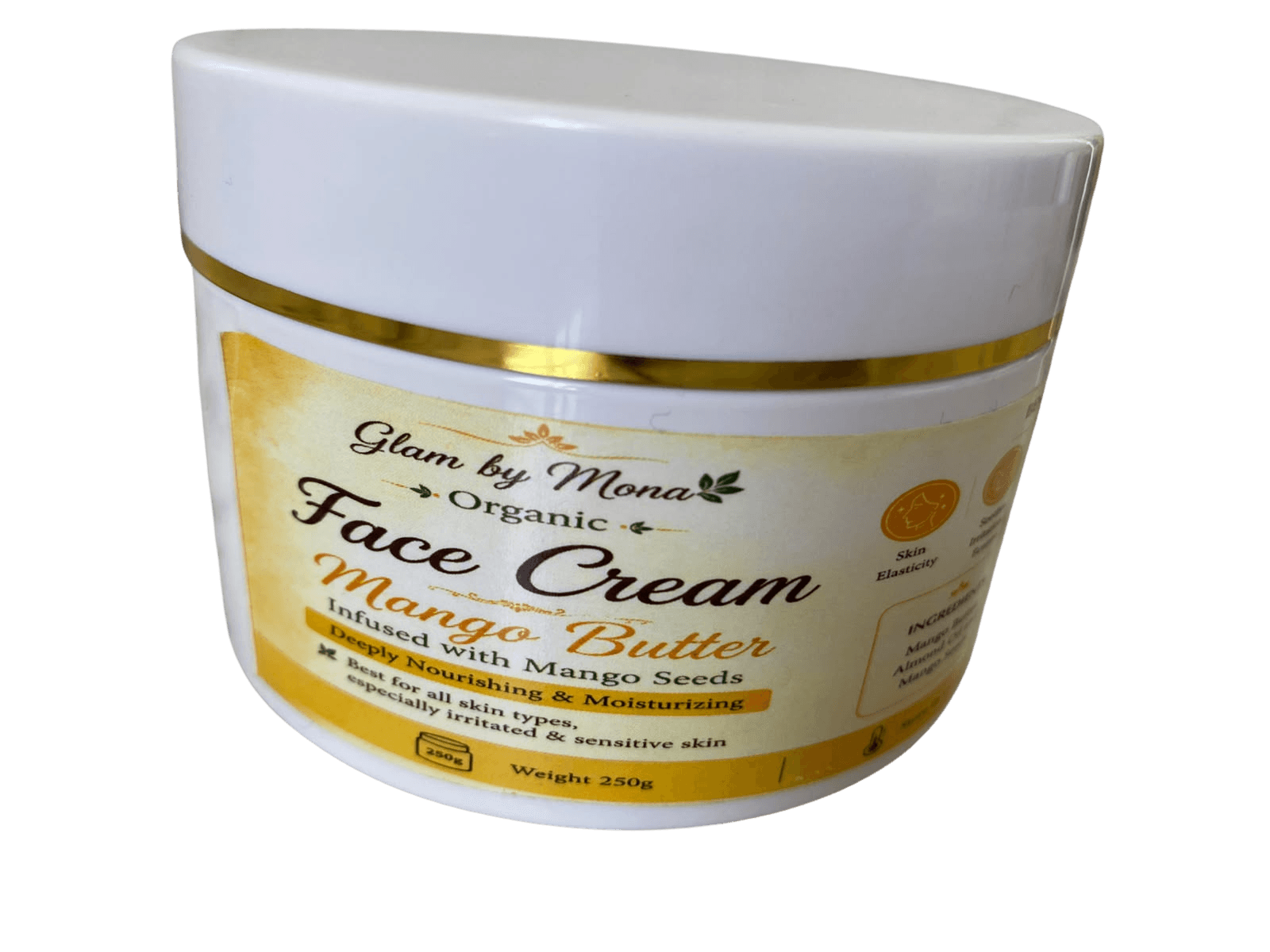
That lighter feel makes mango butter popular for the face, for everyday use, and for skin that is both dry and sensitive. Our Mango Butter Face Cream combines mango butter with almond oil and mango seeds, and it is made for all skin types, especially irritated and sensitive skin.
The main differences
Texture and feel
Shea butter is dense and creamy, and it leaves a cushioning, protective layer on the skin. Mango butter is smoother and lighter, and it tends to sink in faster. If you dislike a heavy, greasy feeling, mango butter is often the more comfortable choice. If your skin is very dry and you want moisture that lasts through the day, shea butter's richness is a benefit.
Richness and staying power
Richer butters form a stronger barrier that holds moisture in for longer. That is why shea butter is usually the better pick for rough elbows, heels and hands in harsh weather. Mango butter still moisturizes deeply, but in a lighter way that suits daily use.
Scent
Unrefined shea butter has a mild nutty scent. Mango butter has very little scent. The final scent of any product also depends on what else is in the recipe.
The rest of the recipe matters
Both butters are usually blended with oils and other ingredients. Our creams are whipped and blended, so how a product feels depends on the whole formula, not just the butter in it.
Which one should you choose?
- Very dry, rough or cracked-feeling skin on the body: shea butter.
- Dry skin on the face: mango butter is often more comfortable, especially if rich creams feel heavy on your face. Shea butter works on the face too, so choose by how it feels on your skin.
- Dry, sensitive or easily irritated skin: start with mango butter.
- Dry skin that also gets breakouts or irritation on the body: a shea butter cream with tea tree oil, such as our Antibacterial Shea Butter Body Cream, is made to help with irritation caused by bacteria. If your face breaks out too, read our guide to using Qasil powder for acne-prone skin.
- Dry, windy or cool weather: the richer shea butter usually works better.
- Warm, humid weather, or oily skin with dry patches: the lighter mango butter, used sparingly.
Can you use both?
Yes. Many people use a lighter mango butter cream on the face and a richer shea butter cream on the body, or switch between them with the seasons. You can also layer them: a thin layer of mango butter first, then shea butter only on the driest spots such as elbows, knees and heels. Add one product at a time so you can tell what your skin likes.

How to get the most from a body butter
- Cleanse gently. Use lukewarm water and a mild cleanser. Hot showers and harsh soaps strip the skin's natural oils.
- Leave your skin slightly damp. Pat yourself mostly dry with a towel. Butters seal moisture in, they don't add it, so they work best within a few minutes of bathing.
- Take a small amount. Warm it between your palms first.
- Massage until absorbed. Spend extra time on the driest areas.
- Repeat. Moisturize morning and night, and reapply to your hands after washing them.
- Protect your skin in the day. Use sunscreen on any skin that is exposed to the sun.
Mistakes to avoid
- Using too much. A thick layer feels greasy and rubs off on your clothes. A small amount rubbed in well works better.
- Relying on butter alone. If your skin is dry because it lacks water, a butter can only lock in the moisture that is already there.
- Hot showers and long baths. They dry out skin faster than any butter can repair it.
- Storing it in the heat. Keep your cream in a cool, dry place away from direct sunlight, with the lid closed.
- Changing products all the time. Give a product a couple of weeks before you decide whether it works.
- Ignoring dryness that won't go away. See the doctor section below.
Patch test first, and check for allergies
Before you use any new product, do a patch test: put a small amount on the inside of your forearm or behind your ear, wait 24 hours, and check for redness, itching or swelling. Don't use the product if any of these appear.
Shea butter comes from a nut, and several of our creams also contain almond oil or coconut oil. If you have a nut allergy, check the ingredient list and ask your doctor before using it. If you have ever reacted to mango, for example after handling the fruit, patch test very carefully before using mango butter.
When to see a doctor
Dry skin usually improves with regular moisturizing. See a doctor or dermatologist if your skin is cracked and bleeding, very itchy, red and inflamed, covered in a rash or weeping patches, or still no better after a couple of weeks of regular care. Persistent dryness can be a sign of eczema or another skin condition that needs treatment. A butter can help keep skin moisturized, but it does not treat a medical condition. For babies and young children, ask a doctor before using any new product.
Frequently asked questions
Which is better for dry skin, shea butter or mango butter?
Neither is better for everyone. Shea butter is richer and suits very dry, rough skin. Mango butter is lighter and suits sensitive skin, the face and everyday use. If you are not sure, try one for a week or two and see how your skin feels.
Can I use shea butter or mango butter on my face?
Yes, many people do. Mango butter's lighter feel is usually more comfortable on the face, but shea butter works too. Both are generally considered low-risk for blocking pores, but skin varies from person to person. If your skin is acne-prone, patch test first and add only one new product at a time.
Is mango butter good for eczema-prone skin?
Rich moisturizers are often part of caring for eczema-prone skin because they help stop it drying out. Our Mango Butter Face Cream is made to soothe irritated skin. A butter does not treat eczema, though, so follow your doctor's advice and patch test first.
Why does my shea butter feel grainy?
Shea butter can turn grainy if it melts and then cools slowly, for example in a hot room. This is a change in texture, not a sign that it has gone bad. Warming a small amount between your fingers usually smooths it out, and storing it somewhere cool helps prevent it.
How often should I apply it?
Twice a day, in the morning and at night, and after showering or washing your hands. Use a little more on very dry areas.
Where can I buy shea butter and mango butter products in Kenya?
You can order our Shea Butter Strawberry Face Cream, Antibacterial Shea Butter Body Cream and Mango Butter Face Cream online. We deliver across Kenya, with the delivery cost confirmed after you order, and you can pay with M-Pesa Express, card or Paybill.
The takeaway
Shea butter and mango butter are both excellent for dry skin. Choose shea when you need rich, long-lasting moisture for rough or very dry skin, and choose mango when you want a lighter feel or your skin is sensitive. Whichever you use, apply it after bathing, patch test first, give it a couple of weeks, and see a doctor if your dryness is severe or won't go away.
Made in small batches
Ready to give your skin the care it deserves?
Shop natural body, skin and hair care from Glam by Mona. Pay with M-Pesa Express, card or Paybill — delivered across Kenya.
Not sure what suits you? Ask us on WhatsApp
Shop the products in this article
Keep reading

Acne, Skin Care
How to Use Qasil Powder for Acne-Prone Skin
Qasil powder is a traditional natural cleanser and gentle exfoliant. Learn how to mix it, how often acne-prone skin can use it, the simple routine around it, and the mistakes that cause irritation.

Hair care
How to Use Black Castor Oil for Hair Growth
Black castor oil is one of the most popular natural hair oils, but what can it really do? Learn how it works, how to massage it into your scalp, how often to use it, what to avoid, and when hair loss needs a doctor.

Hyperpigmentation
How to Get Rid of Dark Knuckles Naturally
Dark knuckles are common and treatable. Find out what causes them, how to lighten them with gentle daily habits (moisturizer, gentle exfoliation and sunscreen), what to avoid, and when to see a doctor.