
Acne, Skin Care
How to Use Qasil Powder for Acne-Prone Skin
By Glam by Mona · 25 August 2026 · 7 min read

If you have acne-prone skin, you have probably tried products that promised clear skin and delivered dryness, redness or a fresh set of pimples. Qasil powder takes a simpler approach: you mix a little powder with water and apply it yourself, so you know exactly what goes on your face.
This guide explains what Qasil powder is, how to use it step by step, how often acne-prone skin can use it, and the simple routine that works around it. It also covers the mistakes that cause irritation, because using a good product the wrong way is the most common reason it "doesn't work".
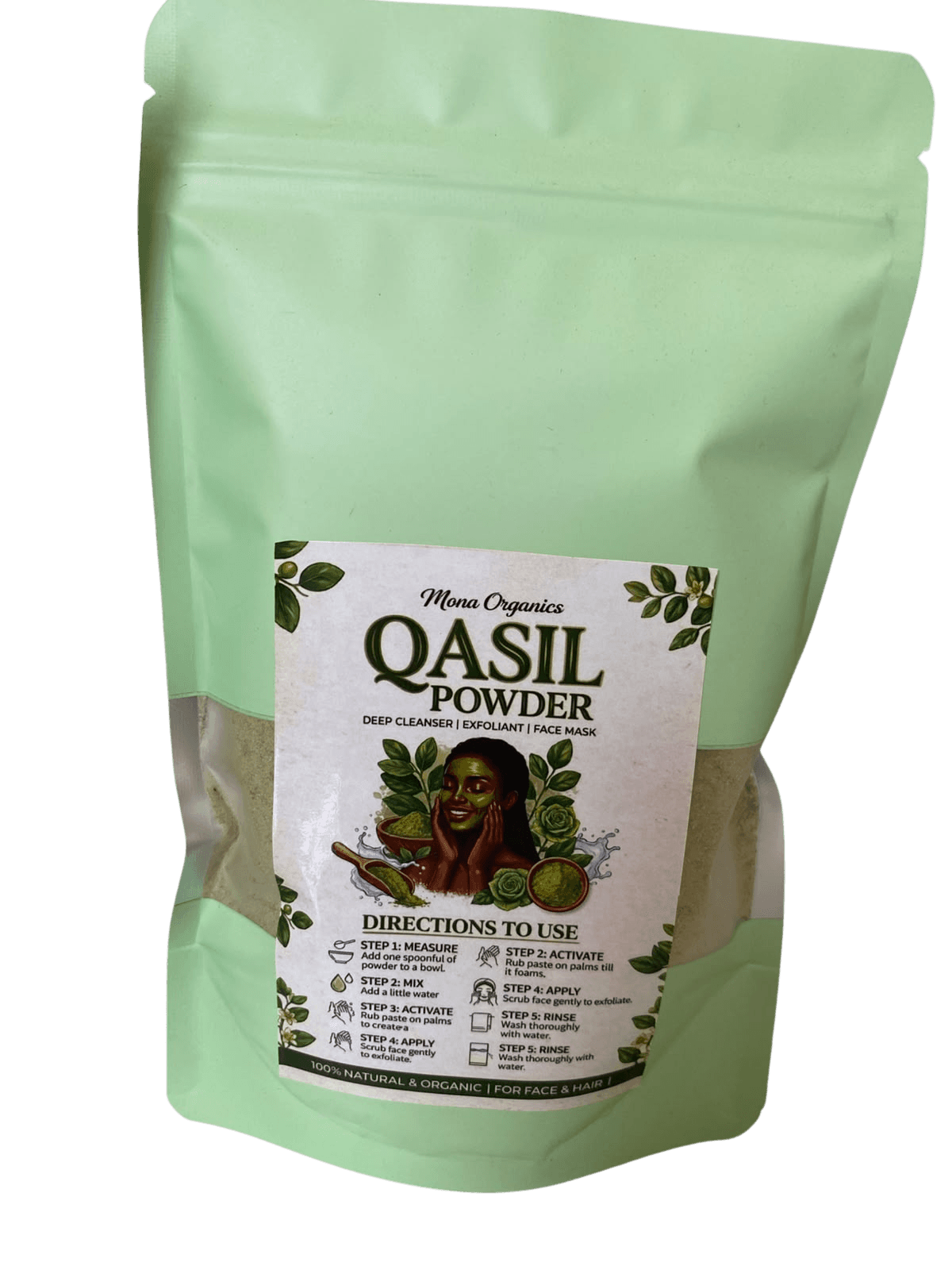
What is Qasil powder?
Qasil is a traditional powder made from dried, ground leaves. It has long been used in parts of East Africa and the Horn of Africa to cleanse the skin and hair. Mixed with a little water, it forms a paste that foams lightly between your palms. That is why one product can work as a deep cleanser, a gentle exfoliant and a face mask.
Our Qasil powder is 100% natural and organic, and it is made for both face and hair.
Why people with acne-prone skin use it
Most breakouts start when excess oil, dead skin cells and everyday build-up such as sweat, dust, makeup and sunscreen clog the pores. Qasil powder can help in three ways:
- It cleanses deeply. The paste lifts away oil and grime that a quick rinse leaves behind.
- It exfoliates gently. The fine powder helps remove dead skin cells, so pores are less likely to get blocked.
- It works as a mask. Left on for a few minutes, it gives your skin a deeper clean than a normal face wash.
Be realistic, though. Qasil powder is not a cure for acne. Acne has many causes, including hormones, genetics, stress and skin type, and no single product works for everybody. What a good cleanser and exfoliant can do is keep your pores clearer, which gives your skin a better chance to settle.
What you need
- Qasil powder
- A small, clean, dry bowl and spoon
- Lukewarm water
- A clean towel
- A lightweight moisturizer
How to use Qasil powder on your face, step by step
Do a patch test before your first use. Mix a small amount of paste, apply it behind your ear or on the side of your neck, rinse after a few minutes and wait 24 hours. If you notice redness, itching or swelling, do not use it on your face.
- Measure. Add one spoonful of Qasil powder to a clean, dry bowl.
- Mix. Add a little water, a few drops at a time, until you have a smooth paste that is spreadable but not runny.
- Activate. Rub the paste between your palms until it foams lightly.
- Apply. On damp skin, massage the paste onto your face in gentle circles for 30 to 60 seconds. Avoid your eyes and lips. Use a very light touch: the powder does the exfoliating, so you do not need to press.
- Rinse. Wash it off thoroughly with lukewarm water until no residue is left, then pat your face dry with a clean towel. Do not rub.
- Moisturize. While your skin is still slightly damp, apply a lightweight moisturizer. Even oily, acne-prone skin needs moisture.
Using it as a face mask
For a deeper clean, spread a thin layer of the paste over your face and leave it on for up to 5 minutes. Rinse it off before it dries completely and starts to feel tight.
How often should you use it?
Start with two evenings a week. If your skin stays calm for two weeks, you can go up to three times a week, but not more. If your skin is dry or sensitive, once a week is enough.
Daily scrubbing is one of the most common causes of irritation in acne-prone skin. On the other days, wash with a gentle cleanser and lukewarm water.
A simple routine for acne-prone skin
Qasil powder works best as one part of a short, steady routine.
Morning
- Rinse with lukewarm water, or use a gentle cleanser.
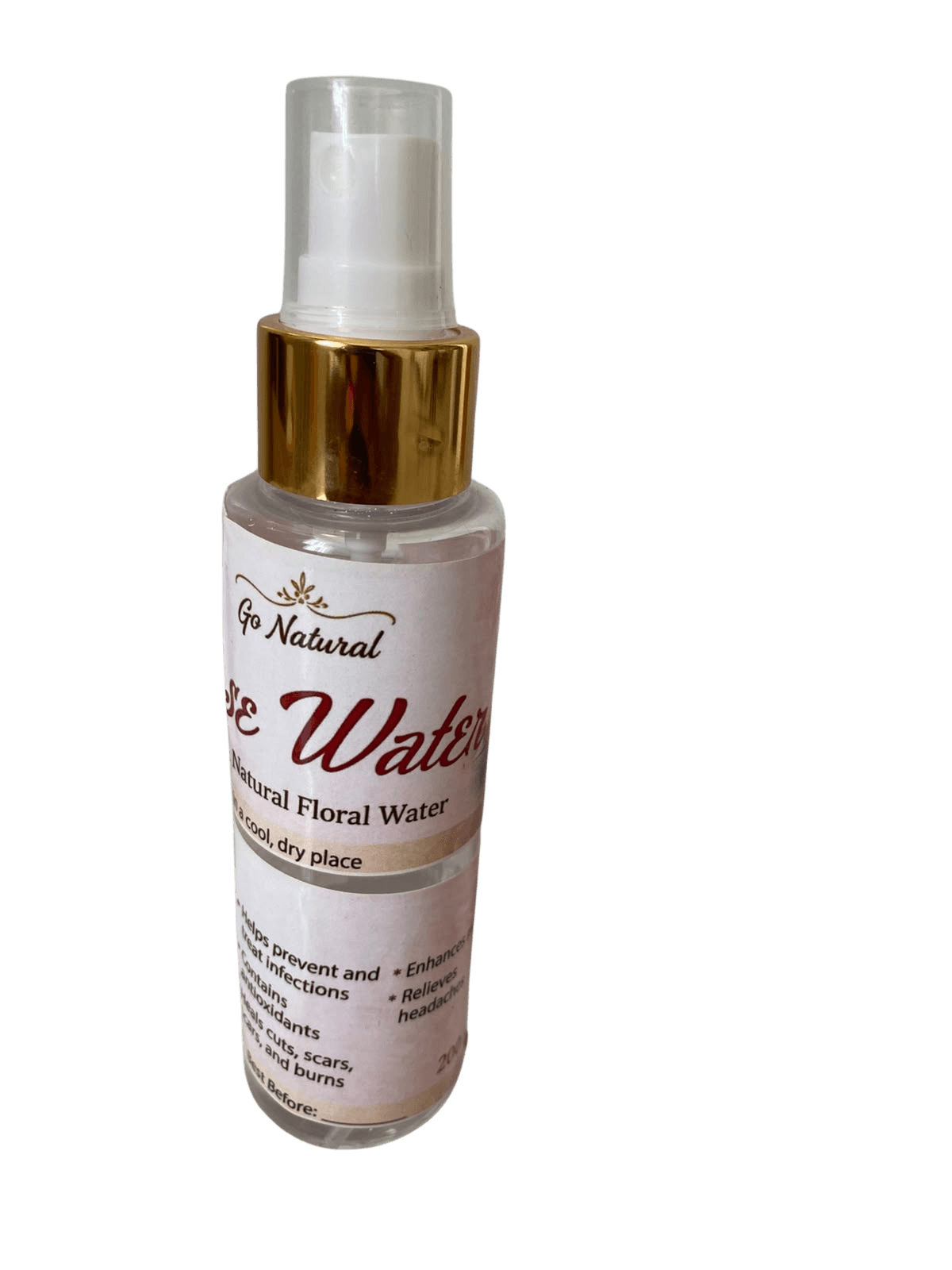
- Mist or pat on Rose Water as a toner. It keeps skin feeling moist and soothes irritation.
- Apply a lightweight moisturizer.
- Finish with sunscreen (SPF 30 or higher). Acne marks darken in the sun, and Kenya's sun is strong.
Evening
- Remove makeup and sunscreen with a gentle cleanser.
- Two or three evenings a week, use Qasil powder instead of your usual cleanser.
- Tone with rose water.
- Moisturize.
Give any routine four to six weeks before judging it. Skin renews itself slowly, and constantly switching products makes it harder to know what is working.
Mistakes to avoid
- Scrubbing hard. Pressure does not clean deeper. It irritates skin and can make breakouts worse.
- Using hot water. It strips the skin and increases redness. Stick to lukewarm.
- Using it on open or very inflamed pimples. Leave those areas alone until they heal.
- Skipping moisturizer and sunscreen. Dry skin can produce even more oil, and sun exposure deepens dark marks.
- Picking or squeezing pimples. This pushes bacteria deeper and leaves scars and dark spots.
- Stacking strong products on the same night. Do not combine Qasil powder with acids, retinoids or benzoyl peroxide without advice.
- Changing everything at once. Add one new product at a time, so you know what helps and what irritates.
What about the dark marks acne leaves behind?
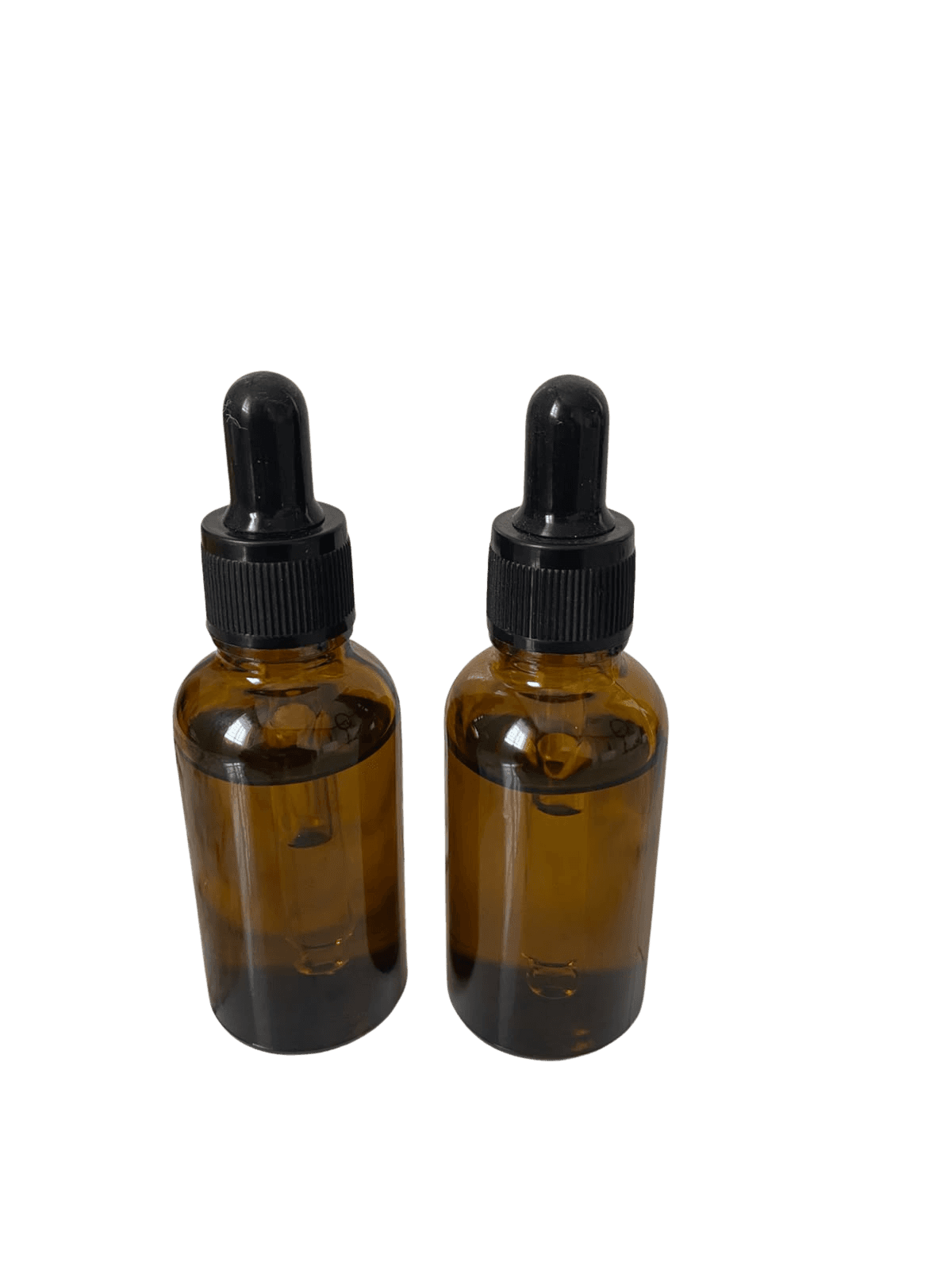
Even after a pimple heals, it often leaves a dark mark that takes weeks or months to fade. Daily sunscreen is the most important step, because sun makes marks darker and slower to fade. Vitamin C and niacinamide are two ingredients commonly used to even out skin tone, and our Vitamin C & Niacinamide Serum is made to brighten skin and fade spots.
Breakouts on your body? Our Antibacterial Shea Butter Body Cream is made with tea tree oil to help with acne and skin irritation caused by bacteria.
Not just for your face: Qasil powder for hair
Qasil powder is made for hair as well as skin. Used as a hair mask, it helps prevent breakage and thinning. Mix it with water into a paste, work it through damp hair and scalp, leave it for a few minutes and rinse very well. If you are also looking after your scalp and hair growth, our Hair Growth Oil, made with black castor oil, tea tree and lavender, pairs well with it.
When to see a dermatologist
Natural products can support a skincare routine, but they do not replace medical care. See a doctor or dermatologist if you have painful, deep lumps or cysts, if your acne is leaving scars, if it has not improved after 8 to 12 weeks of steady care, or if it suddenly gets much worse. Check with them first if you are using prescription acne treatments.
Stop using Qasil powder and rinse your skin with cool water if you notice burning, swelling or a rash.
Frequently asked questions
Can I use Qasil powder every day?
We do not recommend it for acne-prone skin. Start with two evenings a week and go up to three at most. Daily exfoliation tends to irritate skin and slow healing.
Can I use it on active pimples?
Avoid scrubbing over pimples that are open, bleeding or very inflamed. Rinse gently around them and let them heal.
Is Qasil powder safe for sensitive skin?
Do a patch test first. If your skin is sensitive, use it once a week, keep the massage very light and skip the mask.
How long until I see results?
Give it four to six weeks of steady use alongside a simple routine. Skin changes slowly, and results vary from person to person.
Will it dry out my skin?
Any cleanser and exfoliant can leave skin feeling tight if overused. Use lukewarm water, do not overdo it, and always follow with a moisturizer.
Where can I buy Qasil powder in Kenya?
You can order our Qasil Powder online. We deliver across Kenya, and you can pay with M-Pesa Express, card or Paybill.
The takeaway
Qasil powder is a simple, natural way to deep cleanse and gently exfoliate acne-prone skin, as long as you keep a light hand, use it two or three times a week and follow it with moisturizer and sunscreen. Be patient, change one thing at a time, and see a doctor if your acne is painful or not improving.
Made in small batches
Ready to give your skin the care it deserves?
Shop natural body, skin and hair care from Glam by Mona. Pay with M-Pesa Express, card or Paybill — delivered across Kenya.
Not sure what suits you? Ask us on WhatsApp
Shop the products in this article
Keep reading

Dry skin
Shea Butter vs Mango Butter for Dry Skin
hea butter and mango butter are both excellent for dry skin, but they feel and work differently. Find out which suits your face, body and skin type, how to use each, and when to use both.

Hair care
How to Use Black Castor Oil for Hair Growth
Black castor oil is one of the most popular natural hair oils, but what can it really do? Learn how it works, how to massage it into your scalp, how often to use it, what to avoid, and when hair loss needs a doctor.

Hyperpigmentation
How to Get Rid of Dark Knuckles Naturally
Dark knuckles are common and treatable. Find out what causes them, how to lighten them with gentle daily habits (moisturizer, gentle exfoliation and sunscreen), what to avoid, and when to see a doctor.