
Hyperpigmentation
How to Get Rid of Dark Knuckles Naturally
By Glam by Mona · 16 April 2026 · 7 min read

Dark knuckles are one of the most common skin concerns, and one of the least talked about. Your knuckles can look darker, rougher or ashy even when the rest of your hand looks fine. The good news is that in most cases they are harmless, and steady daily care can make them look lighter and smoother.
The short answer: dark knuckles usually come from friction, sun exposure, dry skin and extra pigment (melanin). To lighten them, moisturize every day, exfoliate gently once or twice a week, wear sunscreen on the backs of your hands, stop rubbing or picking at the skin, and use a brightening cream made for hyperpigmented areas. Give any routine 4 to 8 weeks, because skin renews itself slowly.
Why do knuckles get dark?
Knuckle skin is thicker and more wrinkled than the skin around it, and it is exposed all day, so it darkens easily. These are the usual reasons:
| Cause | What happens |
|---|---|
| Sun exposure | Your hands are uncovered all day. UV light triggers extra melanin, the pigment that colours skin, and Kenya's sun is strong. |
| Friction and rubbing | Hard scrubbing, tight rings, constant bending of the fingers, and biting or picking at the skin can leave dark, thickened patches. |
| Dry skin and dead skin build-up | Dry knuckles look dull and ashy, and dead skin cells that are not removed make them look darker and rougher. |
| Harsh soaps and detergents | Frequent hand washing, dish soap and strong sanitizers strip the skin's natural oils and cause irritation, and skin can darken as it heals. |
| Natural skin tone and genetics | Knuckles are often a shade or two darker than the rest of the hand, especially on deeper skin tones. This is normal. |
| Hormones and medicines | Hormonal changes, such as in pregnancy, and some medicines can increase skin pigmentation. |
| Health conditions | Sometimes dark knuckles are linked to a medical issue. See "When to see a doctor" below. |
A simple routine to lighten dark knuckles
- Wash gently. Use lukewarm water and a mild soap, then pat your hands dry. Hot water and harsh soaps dry out the skin.
- Exfoliate gently, once or twice a week. Use a soft washcloth or a mild scrub and make light circles over your knuckles for about 30 seconds. Never scrub hard. Friction is one of the causes of dark knuckles, so rough scrubbing makes the problem worse. Stop if your skin turns red or sore.
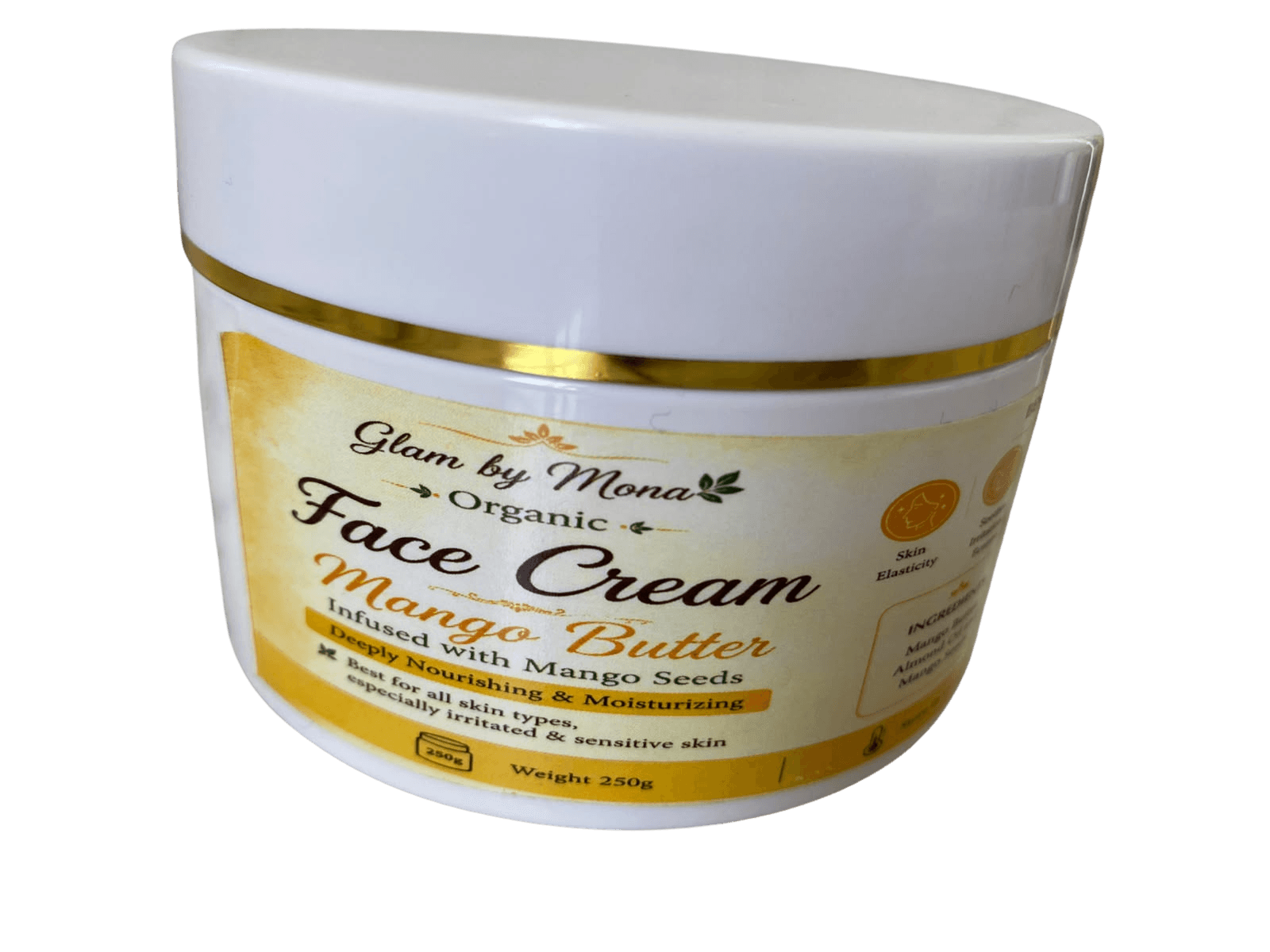
- Moisturize every day. Apply a rich cream after every hand wash and before bed. Shea and mango butter creams work well. Our Antibacterial Shea Butter Body Cream and Mango Butter Face Cream are two options, and our guide to shea butter vs mango butter for dry skin explains how to choose.
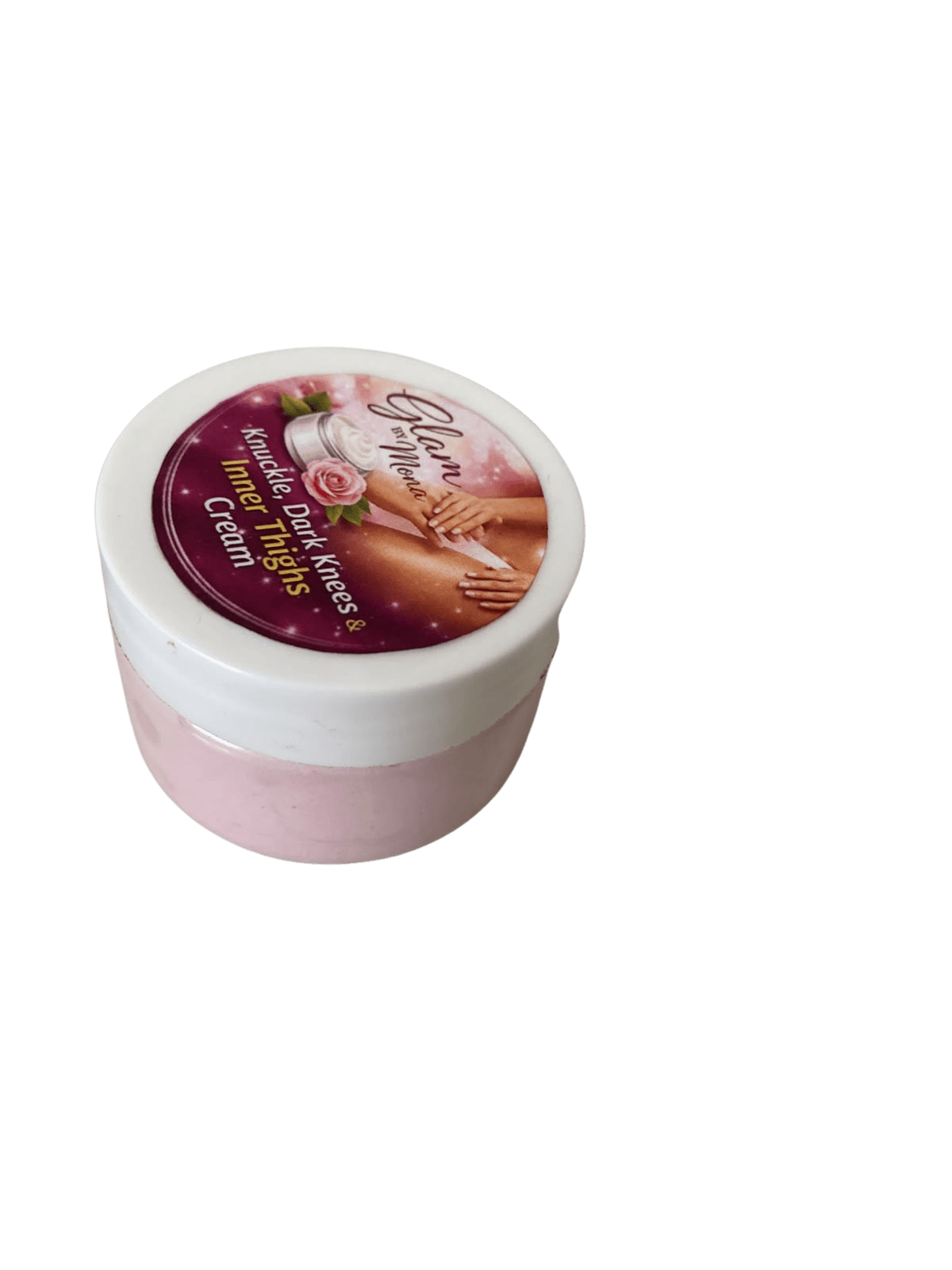
- Use a brightening cream. Our Knuckle, Dark Knees & Inner Thighs Cream contains carotene and collagen and is made to brighten hyperpigmented areas like knuckles, knees, armpits and inner thighs, and to support skin cell renewal. Apply it to clean, dry skin twice a day, morning and night, massaging gently until it is absorbed. Do a patch test first (see below).
- Protect your hands from the sun. Apply sunscreen (SPF 30 or higher) to the backs of your hands every morning, and reapply after washing them. Put the cream on first and the sunscreen on top. Sun exposure can undo your progress and darken the skin again.
- Be patient and consistent. Skin renews itself slowly, so give your routine 4 to 8 weeks. Take a photo of your hands today so you can compare. Darkness that has been there for years can take longer to fade, and results vary from person to person.
Dark knees, elbows, underarms and inner thighs
These areas darken for similar reasons: friction, dryness, sun and shaving. The same routine of gentle care, daily moisturizer and patience applies. A few extra tips:
- Patch test first. Skin in these areas is often more sensitive.
- Don't apply a brightening cream straight after shaving or waxing. Freshly shaved skin stings and gets irritated easily. Wait until it has calmed down.
- Reduce friction. Choose soft, breathable fabrics, such as cotton, and avoid very tight clothes that rub.
- Shave gently. Use a clean, sharp razor, and moisturize afterwards.
Our brightening cream is made for knuckles, knees, armpits and inner thighs.
Home remedies to skip
Many "quick fixes" online do more harm than good:
- Lemon juice. It is acidic and can irritate the skin. If you go into the sun afterwards, it can cause burns and even darker marks.
- Baking soda. It is too harsh for skin. It dries and irritates it, and irritation can lead to more darkening.
- Toothpaste or household bleach. They are not made for skin and can cause burns and irritation.
- Skin-bleaching products from unknown sellers. Unregulated lightening creams can contain mercury, strong steroids or hydroquinone used without medical supervision. These can cause lasting damage, including thin skin and uneven colour. Buy from sellers you trust, and ask a pharmacist or doctor if you are unsure.
- Hard scrubbing with stones, brushes or rough sponges. More friction means more darkening.
Habits that help prevent dark knuckles
- Wear gloves when you wash dishes or clean with strong products.
- Moisturize your hands after every wash.
- Try not to bite, pick or rub the skin over your knuckles.
- Choose rings that fit comfortably, since tight rings rub and trap soap.
- Wear sunscreen on your hands every morning, especially if you drive.
- Treat dryness early, before the skin becomes rough and dark.
Patch test first
Before you use any new product, put a small amount on the inside of your forearm and wait 24 hours. Don't use it if you notice redness, itching, burning or swelling. Stop using any product that irritates your skin, and rinse the area with cool water.
When to see a doctor
A cream can help brighten skin, but it cannot treat an underlying medical problem. See a doctor or dermatologist if:
- the darkening appeared suddenly or is spreading quickly
- the skin is thick, velvety or rough, or the dark patches also appear on your neck, armpits or groin. This can be a sign of a condition called acanthosis nigricans, which is linked to insulin resistance and other health issues.
- the skin is itchy, painful, scaly or cracked
- you also have other symptoms, such as unusual tiredness, weight changes or extreme thirst
- you are pregnant or taking medicines and are worried about changes in your skin
- there is no improvement after 8 to 12 weeks of steady care
Some health conditions and nutritional deficiencies, such as low vitamin B12, can also darken the knuckles. A doctor can check for these with a simple test.
Frequently asked questions
What causes dark knuckles?
Mostly sun exposure, friction, dry skin, dead skin build-up, harsh soaps and your natural skin tone. Hormones, some medicines and, occasionally, a health condition can play a part.
Can dark knuckles be lightened naturally?
Often they can improve with consistent care: daily moisturizing, gentle exfoliation, sunscreen and a brightening cream. How much they lighten depends on the cause and your skin. If your knuckles are simply your natural skin tone, they may always be slightly darker than the rest of your hand, and that is normal.
How long does it take to lighten dark knuckles?
Give any routine 4 to 8 weeks of daily care before judging it. Darkness that has been there for a long time can take longer, and results vary from person to person.
Is it normal for knuckles to be darker than the rest of my hand?
Yes. Slightly darker knuckles are very common, especially on deeper skin tones.
Does lemon juice lighten dark knuckles?
We do not recommend it. Lemon juice is acidic, can irritate the skin and can leave darker marks when the skin is exposed to the sun.
Can I use the cream on my knees, armpits and inner thighs?
Yes. Our Knuckle, Dark Knees & Inner Thighs Cream is made for hyperpigmented areas such as knuckles, knees, armpits and inner thighs. Do a patch test first, and avoid applying it to freshly shaved or waxed skin.
Where can I buy a knuckle cream in Kenya?
You can order our Knuckle, Dark Knees & Inner Thighs Cream online. We deliver across Kenya, with the delivery cost confirmed after you order, and you can pay with M-Pesa Express, card or Paybill.
The takeaway
Dark knuckles are common and often improve with simple, steady habits: moisturize every day, exfoliate gently, wear sunscreen on your hands, stop friction, and use a brightening cream made for hyperpigmented areas. Skip the harsh home remedies and unregulated bleaching products, be patient for 4 to 8 weeks, and see a doctor if the darkening is sudden, spreading, thick or velvety, or not improving.
Made in small batches
Ready to give your skin the care it deserves?
Shop natural body, skin and hair care from Glam by Mona. Pay with M-Pesa Express, card or Paybill — delivered across Kenya.
Not sure what suits you? Ask us on WhatsApp
Shop the products in this article

Keep reading

Dry skin
Shea Butter vs Mango Butter for Dry Skin
hea butter and mango butter are both excellent for dry skin, but they feel and work differently. Find out which suits your face, body and skin type, how to use each, and when to use both.

Acne, Skin Care
How to Use Qasil Powder for Acne-Prone Skin
Qasil powder is a traditional natural cleanser and gentle exfoliant. Learn how to mix it, how often acne-prone skin can use it, the simple routine around it, and the mistakes that cause irritation.

Hair care
How to Use Black Castor Oil for Hair Growth
Black castor oil is one of the most popular natural hair oils, but what can it really do? Learn how it works, how to massage it into your scalp, how often to use it, what to avoid, and when hair loss needs a doctor.